The Maypole

The Maypole
PAINTING DESCRIPTION
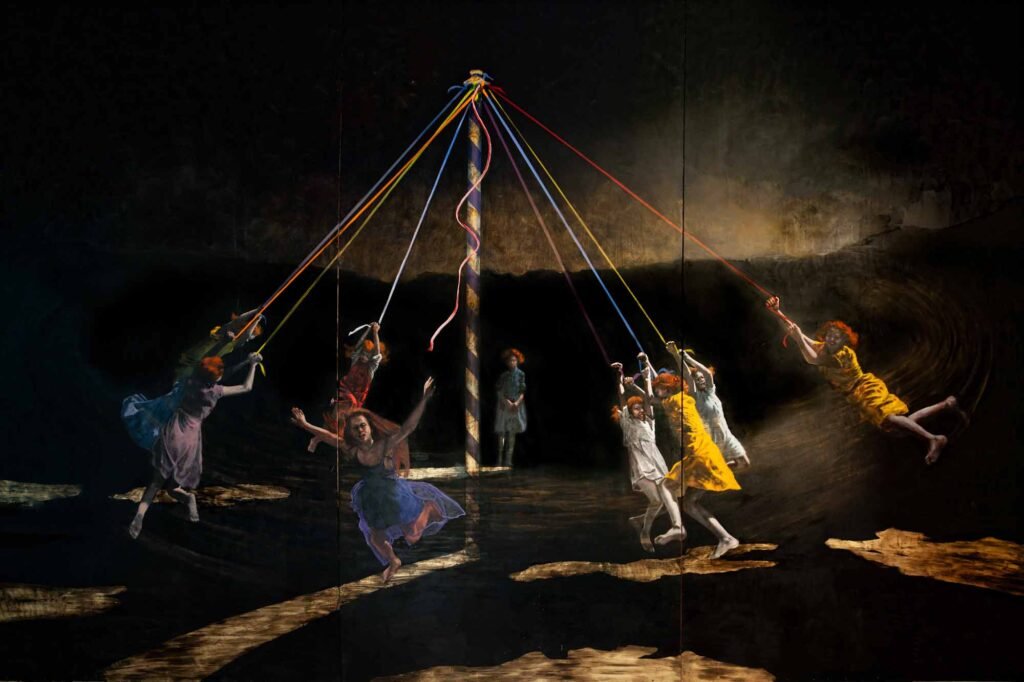
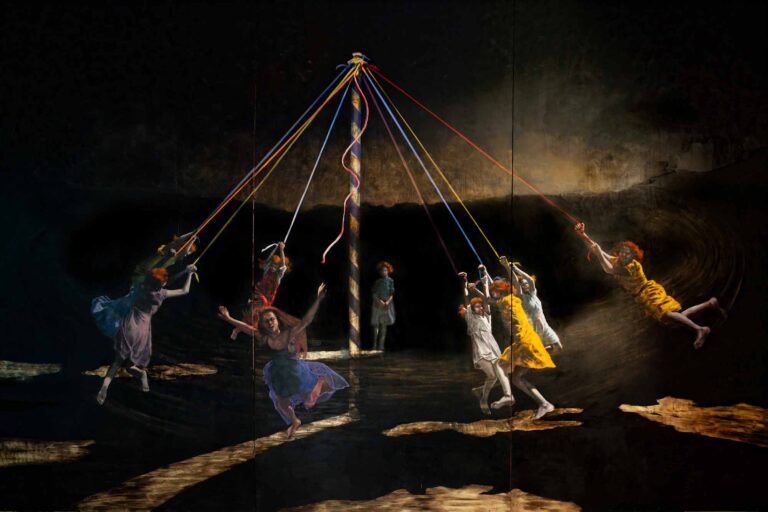
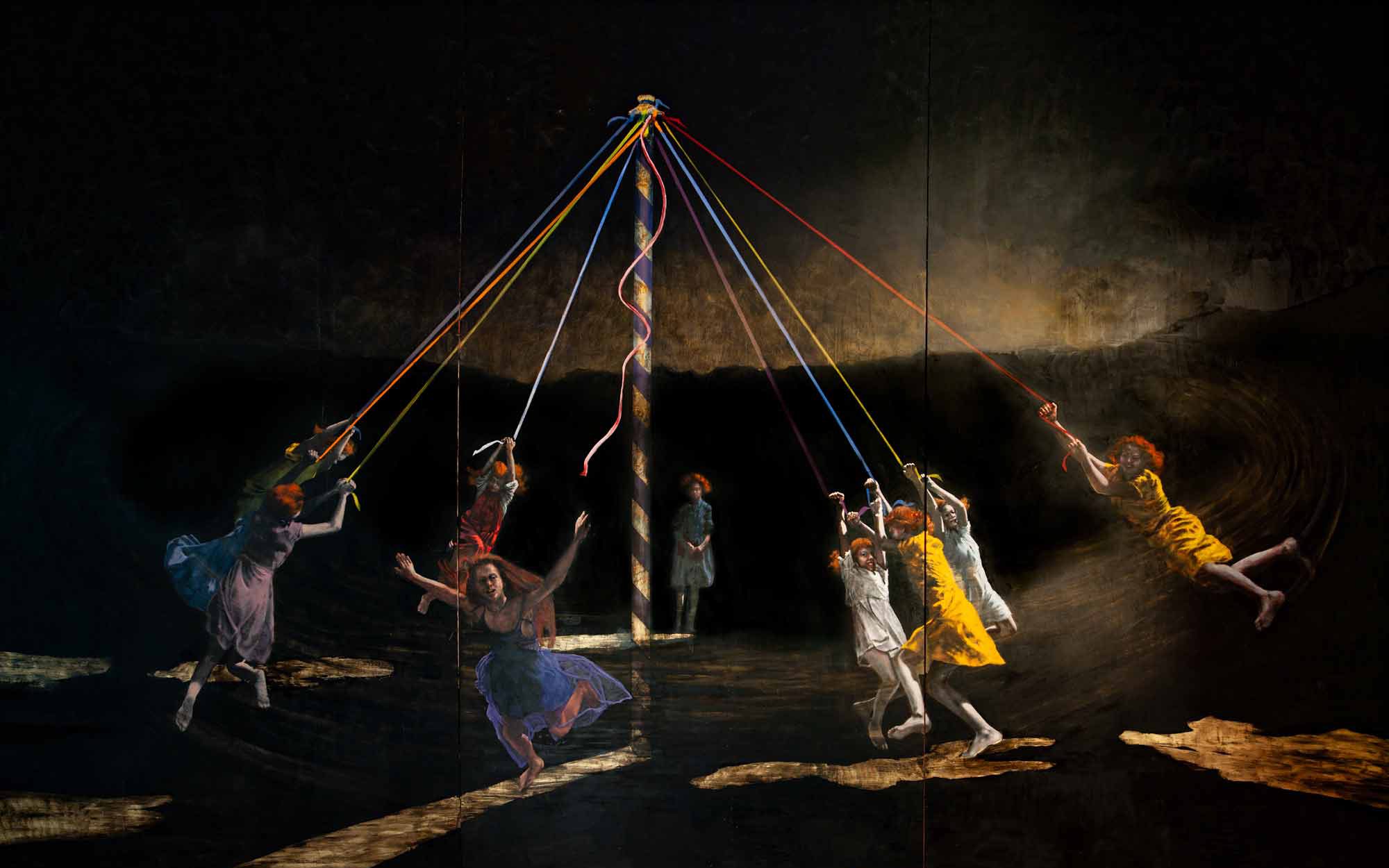
In The Maypole – The Dance That Holds Us, Tobias Keene reworks a familiar ceremonial motif into a nocturnal and psychologically charged scene. The painting resists pastoral readings, unfolding instead as a suspended ritual in which figures hover between movement and stillness. Ribbons extend from a central axis, functioning less as decoration than as connective forces, binding bodies into a shared yet unresolved choreography. The surrounding darkness operates as an interior space, shaping the work’s sense of tension, restraint, and collective presence.

MEDIUM
Oil on Wood - 3 Panels
INCHES
72h x 144w
CENTIMETERS
182.88h x 365.76w
The Maypole - The Dance that Holds Us - an oil painting by Tobias Keene

FROM "THE BLACK PAINTINGS"

ABOUT THE BODY OF WORK

The Black Paintings — Formation in an Age of Migration

The Black Paintings examines identity not as inheritance alone, but as an ongoing act of formation.

The works emerge within a contemporary moment defined by unprecedented global migration: populations moving from South America to North America, from Africa to Europe, across the Mediterranean, across deserts, across borders both visible and ideological. Entire histories are being displaced, re-rooted, and re-negotiated in foreign terrain.

In such a climate, heritage becomes unstable.

Tradition is no longer geographically anchored. It is carried in the body.

Gesture becomes archive.
Posture becomes memory.
Ritual becomes portable.

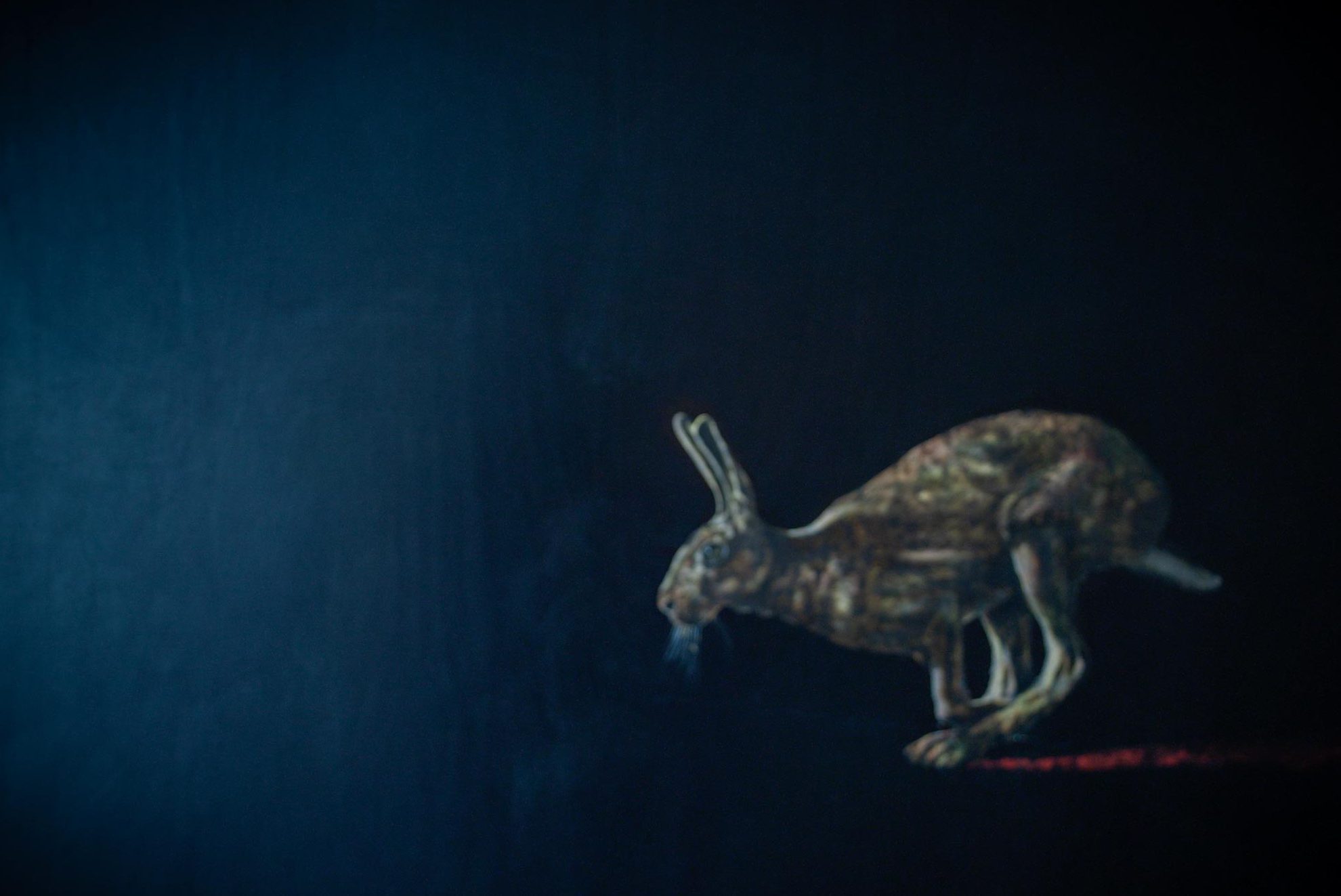
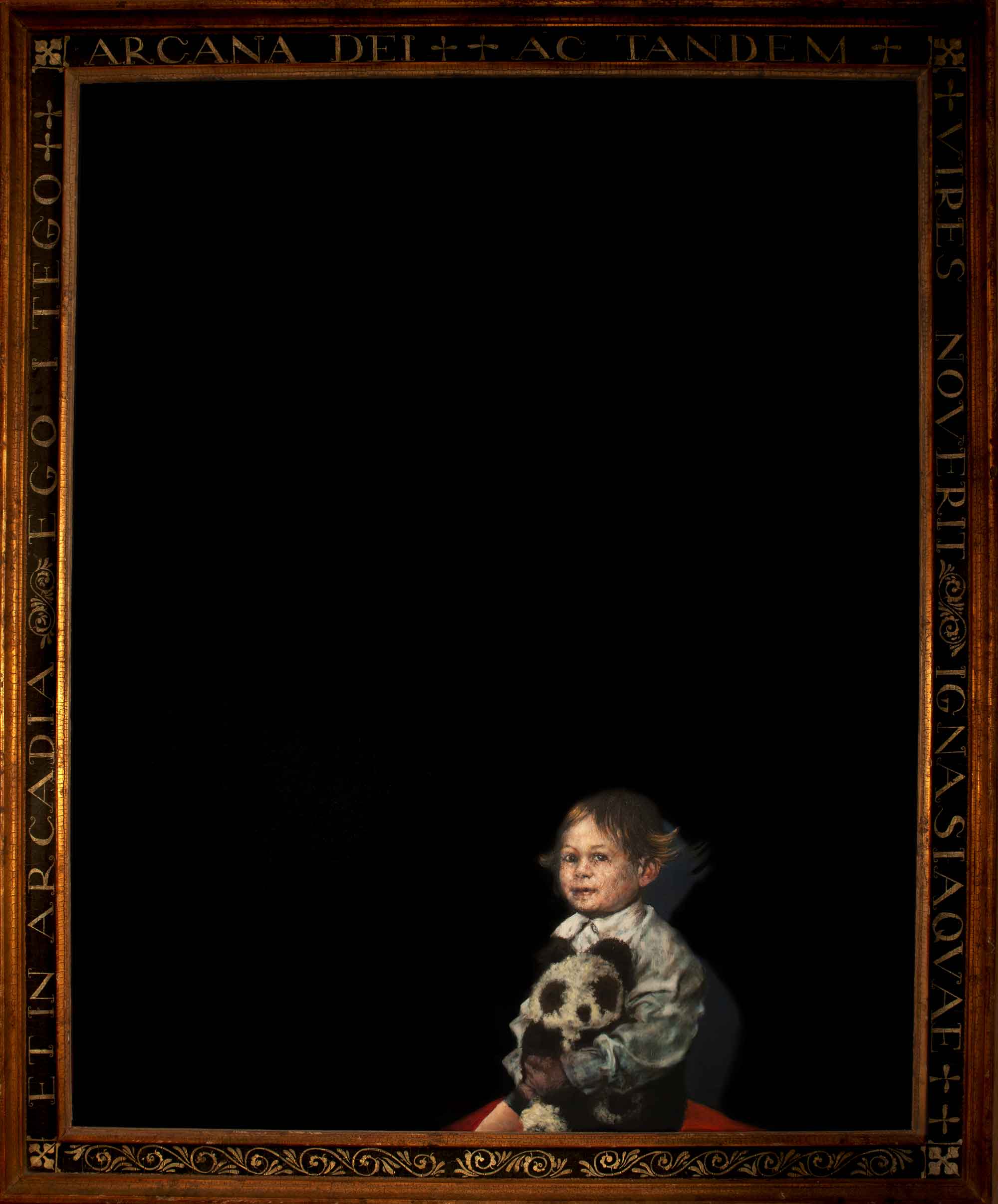
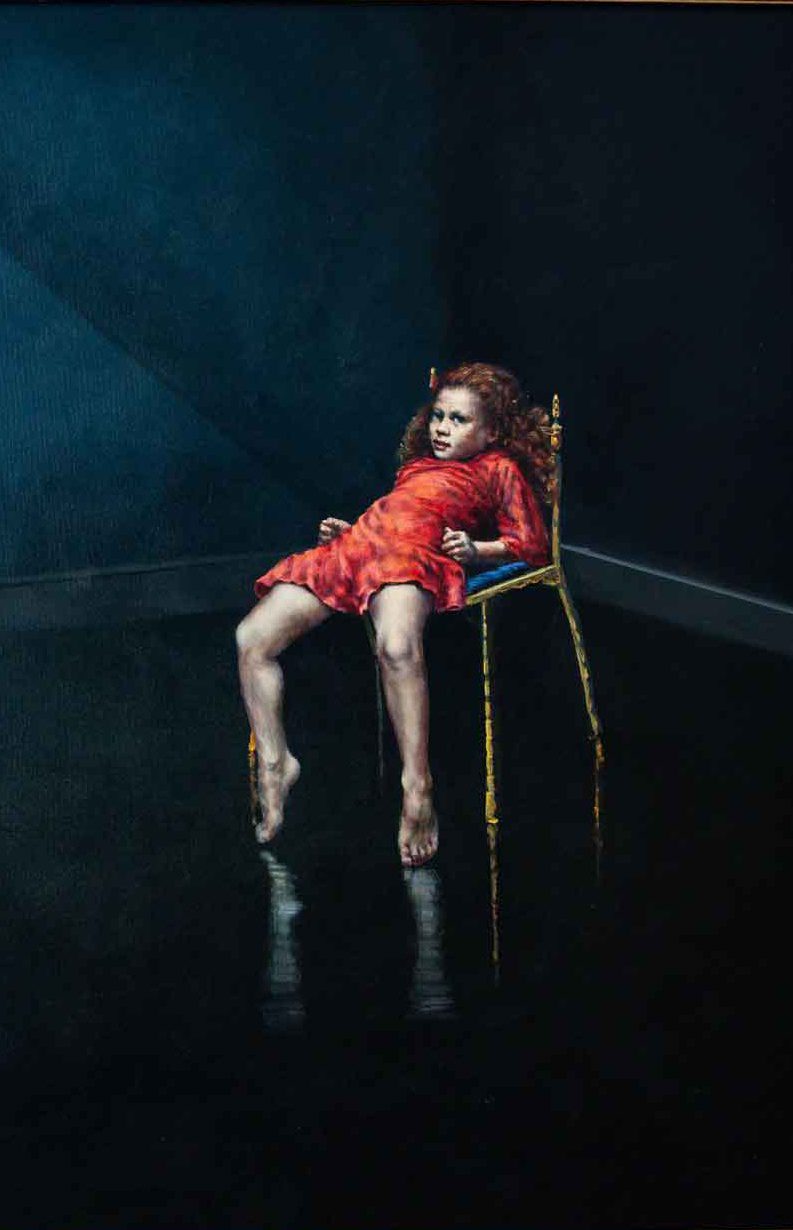
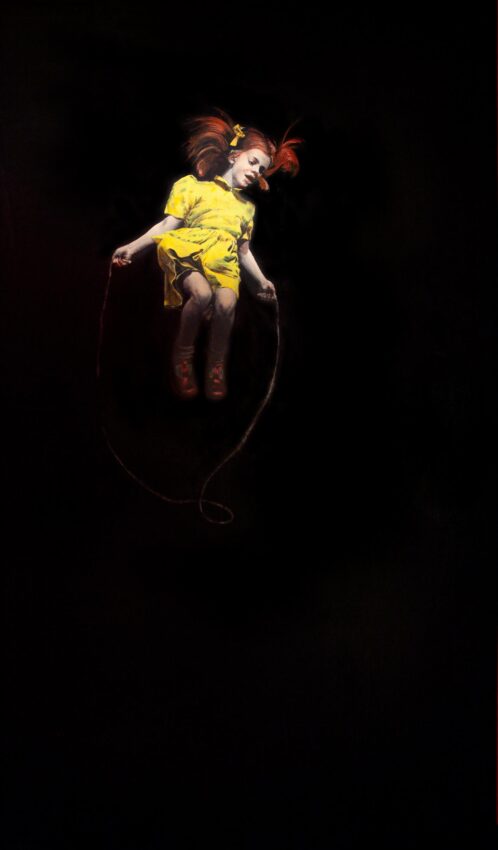
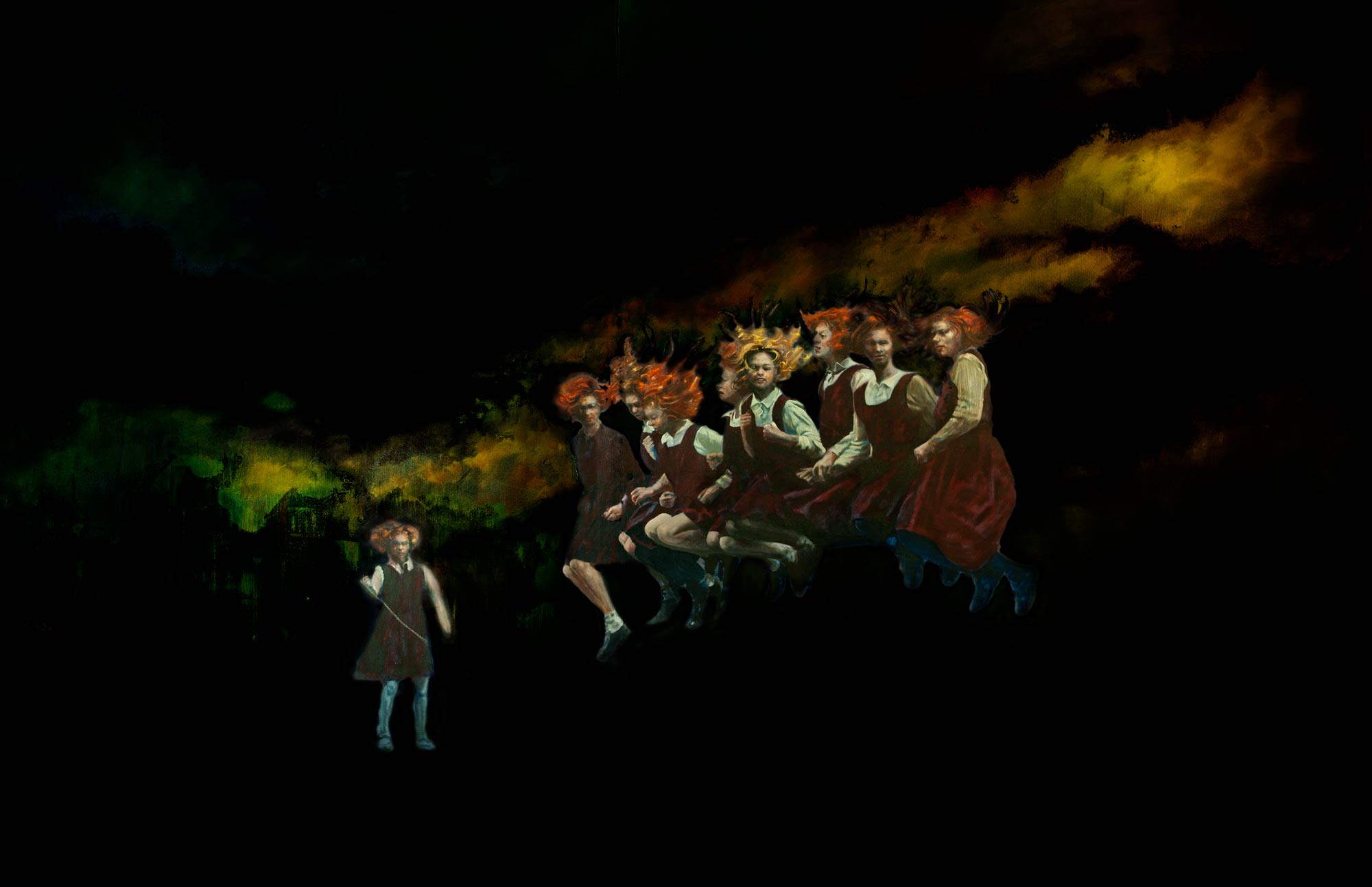
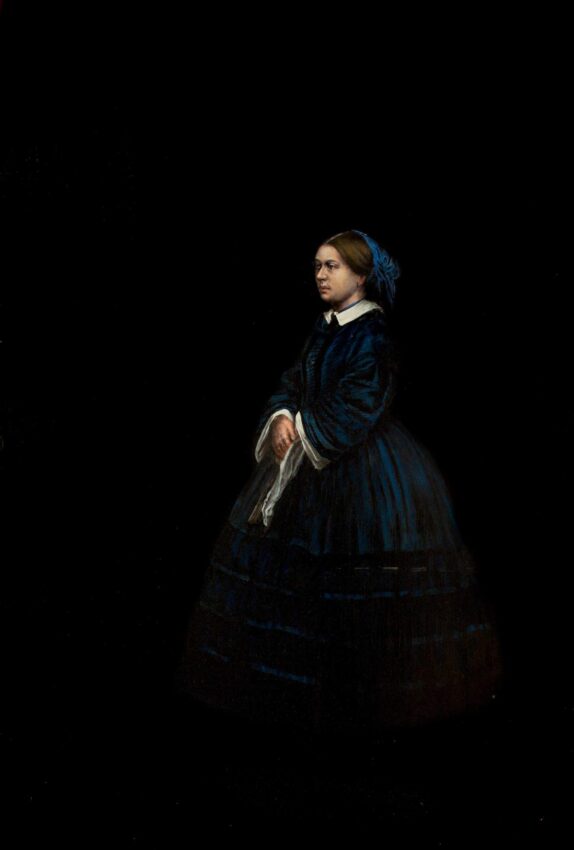
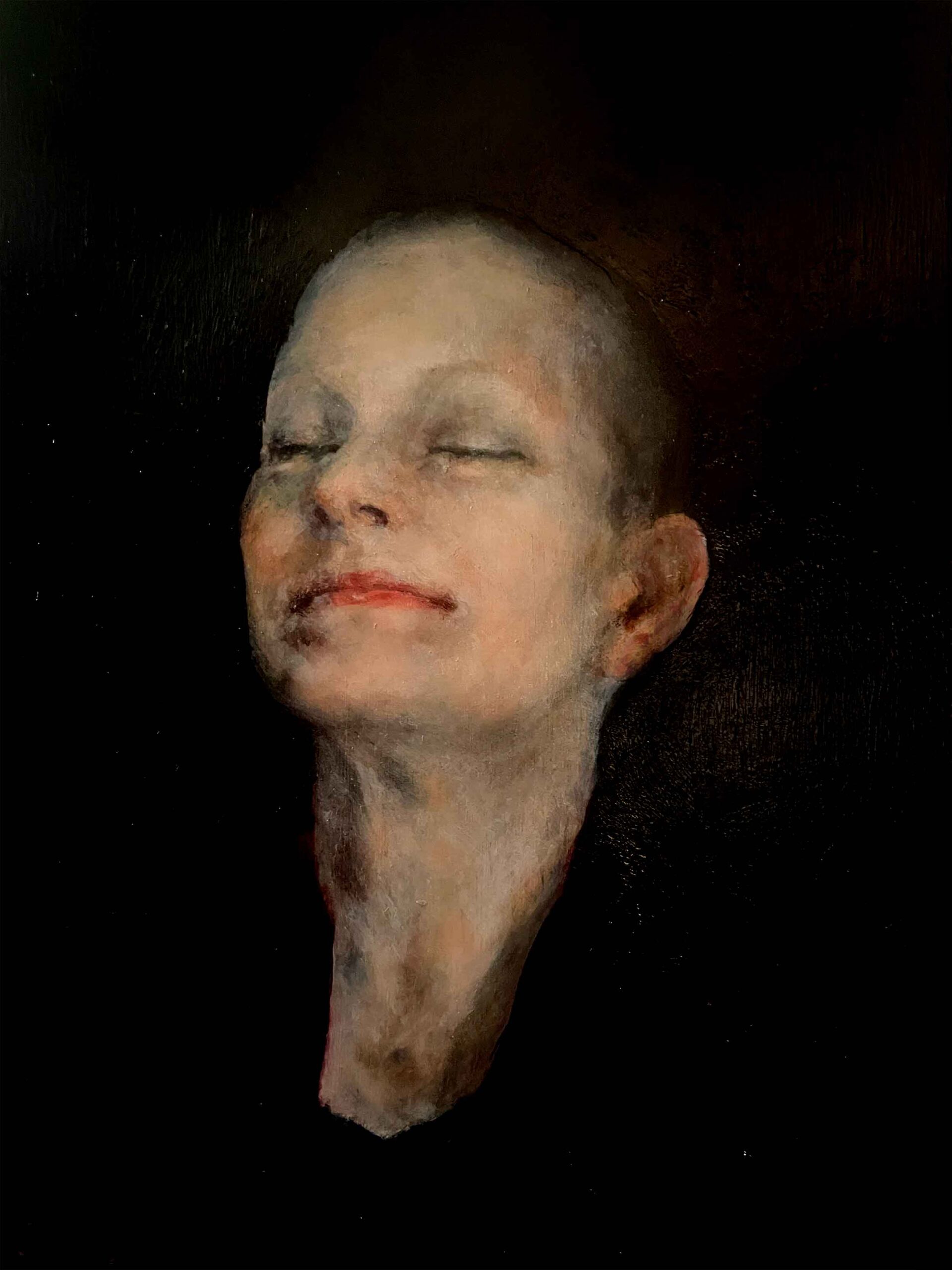
Keene’s figures do not depict migration literally. Instead, they occupy a psychological terrain shaped by it. The black ground operates as both void and origin — a pre-cultural field from which identity slowly materializes. It is not decorative darkness; it is ontological space.

The figures seem to emerge rather than pose. They are not fully fixed. Their edges dissolve. Their presence is provisional. This instability mirrors the condition of cultural negotiation: Who am I when removed from inherited ground? What remains when lineage is severed from place?

Importantly, these works resist nostalgia. They do not idealize the past. Instead, they examine the mechanics of formation itself — how identity is assembled from memory, influence, discipline, rupture, and reinvention.

In an era of border crossings and fractured belonging, The Black Paintings suggest that identity is neither abandoned nor preserved intact — it is re-formed.

Darkness, here, is not erasure.

It is the space in which something new becomes possible.

REQUEST MORE INFORMATION ABOUT THE PAINTINGS

    CONTACT

    KEENE . STUDIO

    CALIFORNIA | TEXAS | OXFORDSHIRE

    Top

    KEENE . STUDIO

    Held across time, through movement.