Harris Reed

Harris Reed
PAINTING DESCRIPTION
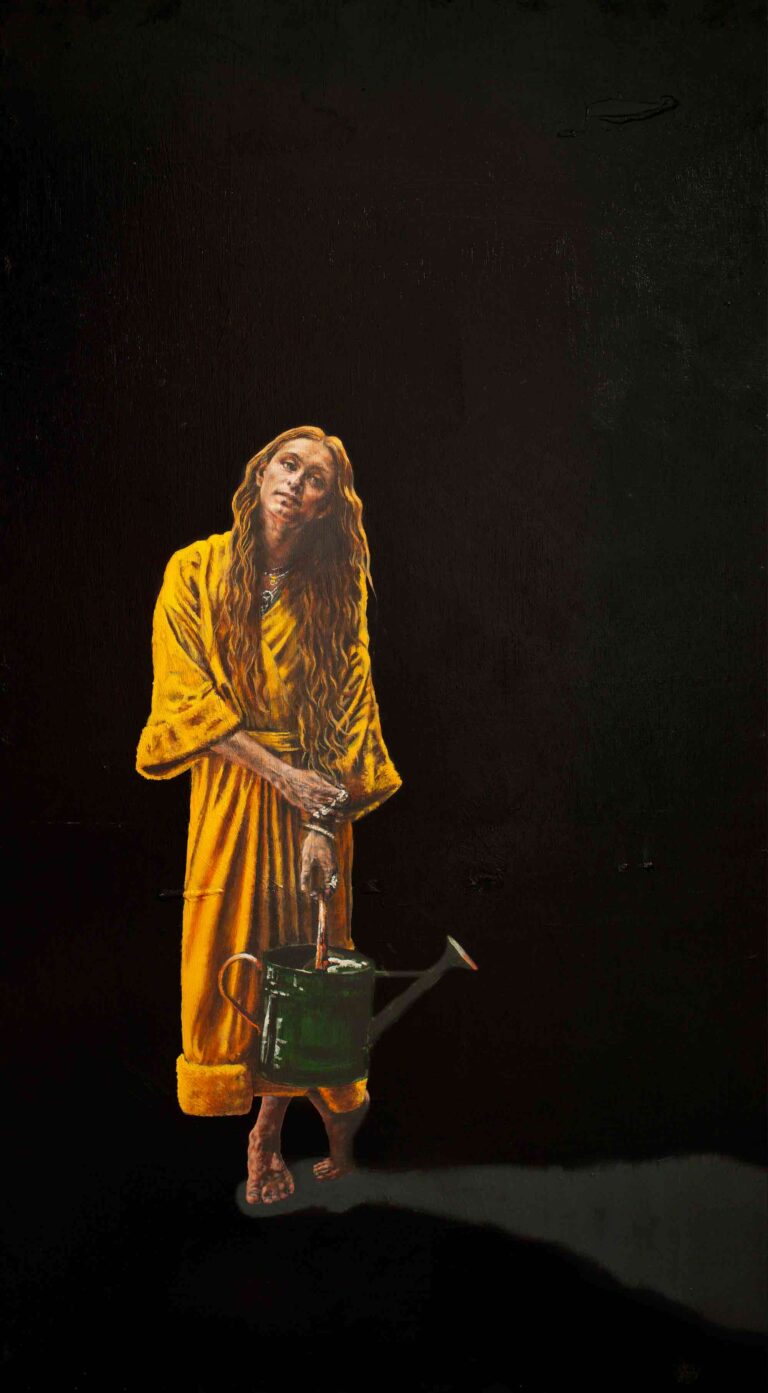
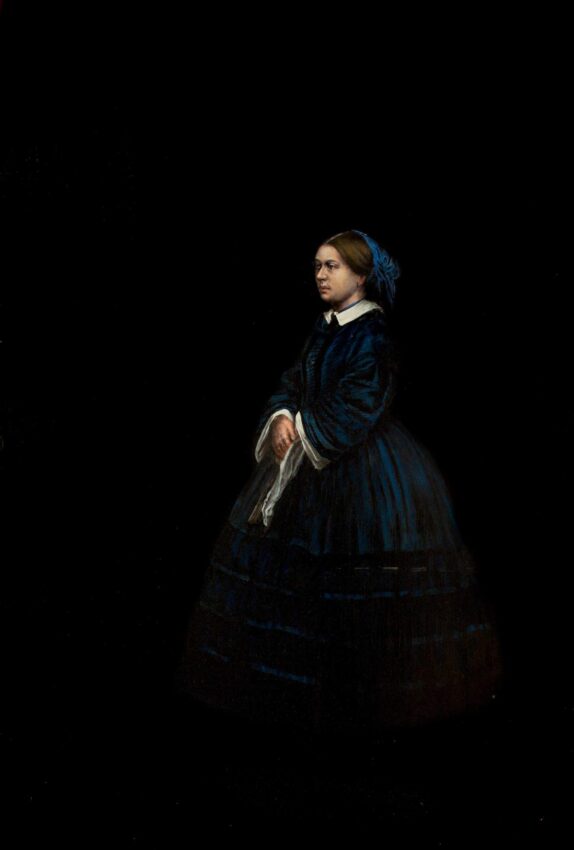
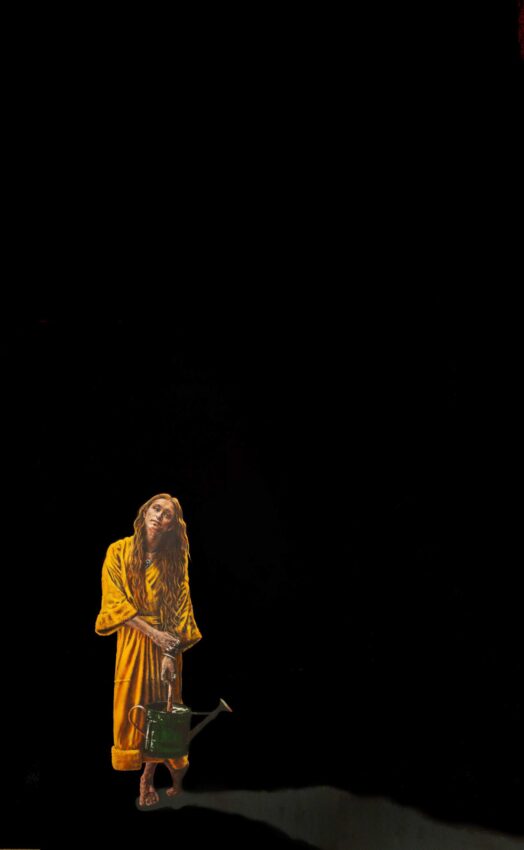
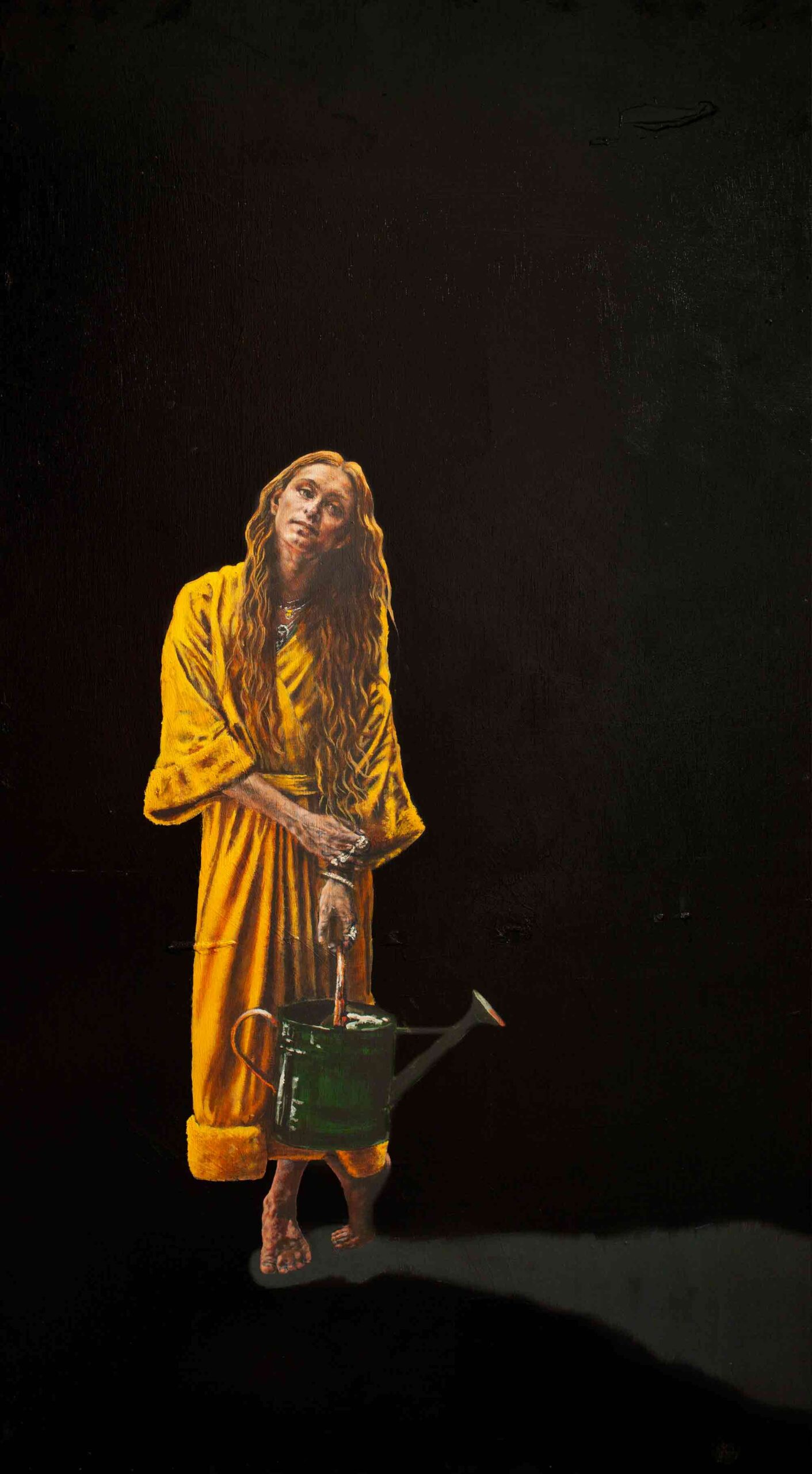
In Tobias Keene's portrait of "Harris Reed" identity appears as actively constructed rather than inherited. The figure negotiates visibility, presentation, and self-definition within contemporary systems of power and display. Positioned as a contemporary counterpoint to inherited authority, this portrait frames identity as something continuously shaped rather than received. While still operating within structures of recognition and visibility, the figure asserts agency through presentation, marking a shift from lineage to self-authorship.
MEDIUM
Oil on Wood Panel
INCHES
78h x 48w
CENTIMETERS
198.12h x 121.92w
Tobias Keene's oil rendition of a Harris Reed photograph for Architectural Digest.

FROM "THE BLACK PAINTINGS"

ABOUT THE BODY OF WORK

The Black Paintings — Formation in an Age of Migration

The Black Paintings examines identity not as inheritance alone, but as an ongoing act of formation.

The works emerge within a contemporary moment defined by unprecedented global migration: populations moving from South America to North America, from Africa to Europe, across the Mediterranean, across deserts, across borders both visible and ideological. Entire histories are being displaced, re-rooted, and re-negotiated in foreign terrain.

In such a climate, heritage becomes unstable.

Tradition is no longer geographically anchored. It is carried in the body.

Gesture becomes archive.
Posture becomes memory.
Ritual becomes portable.

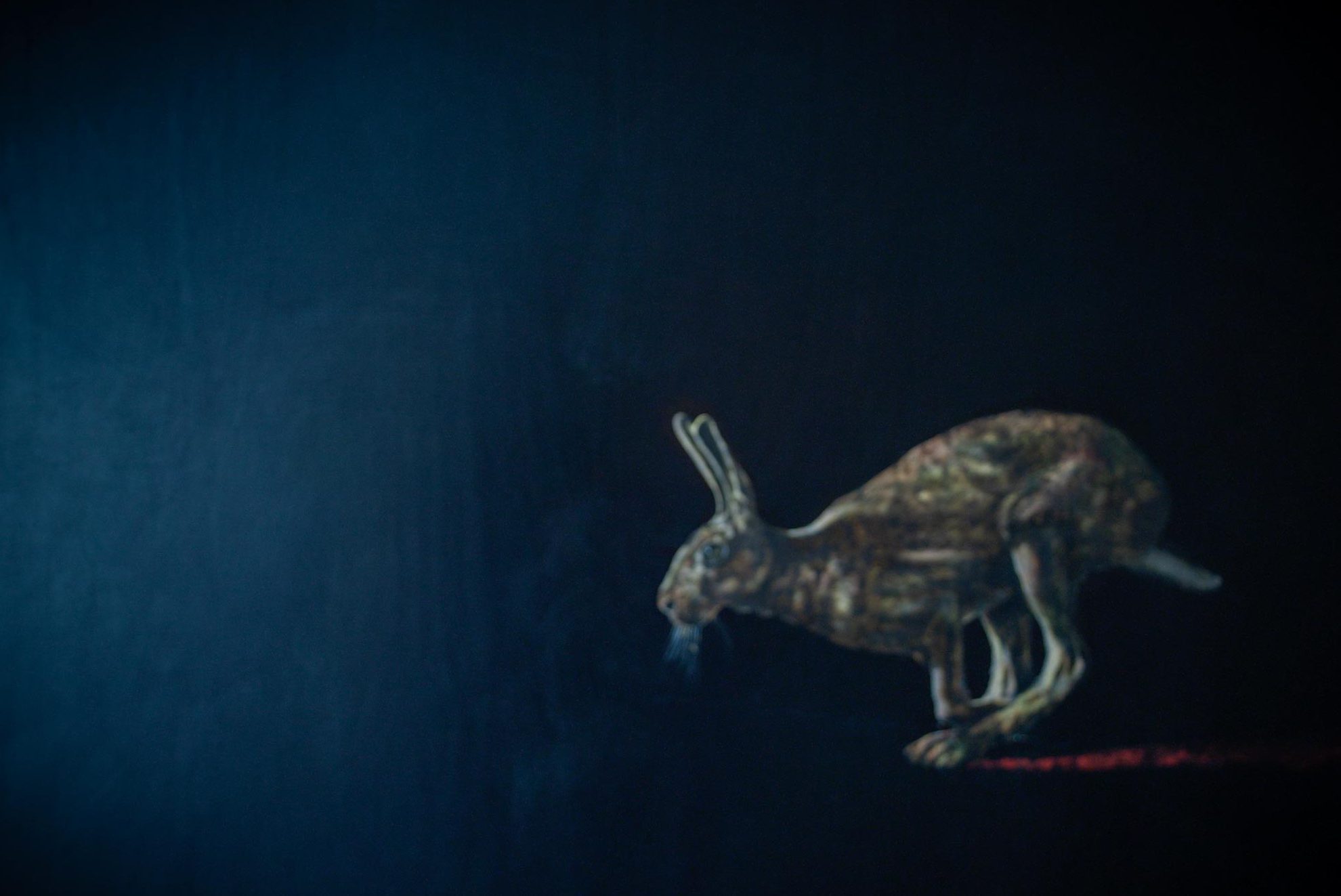
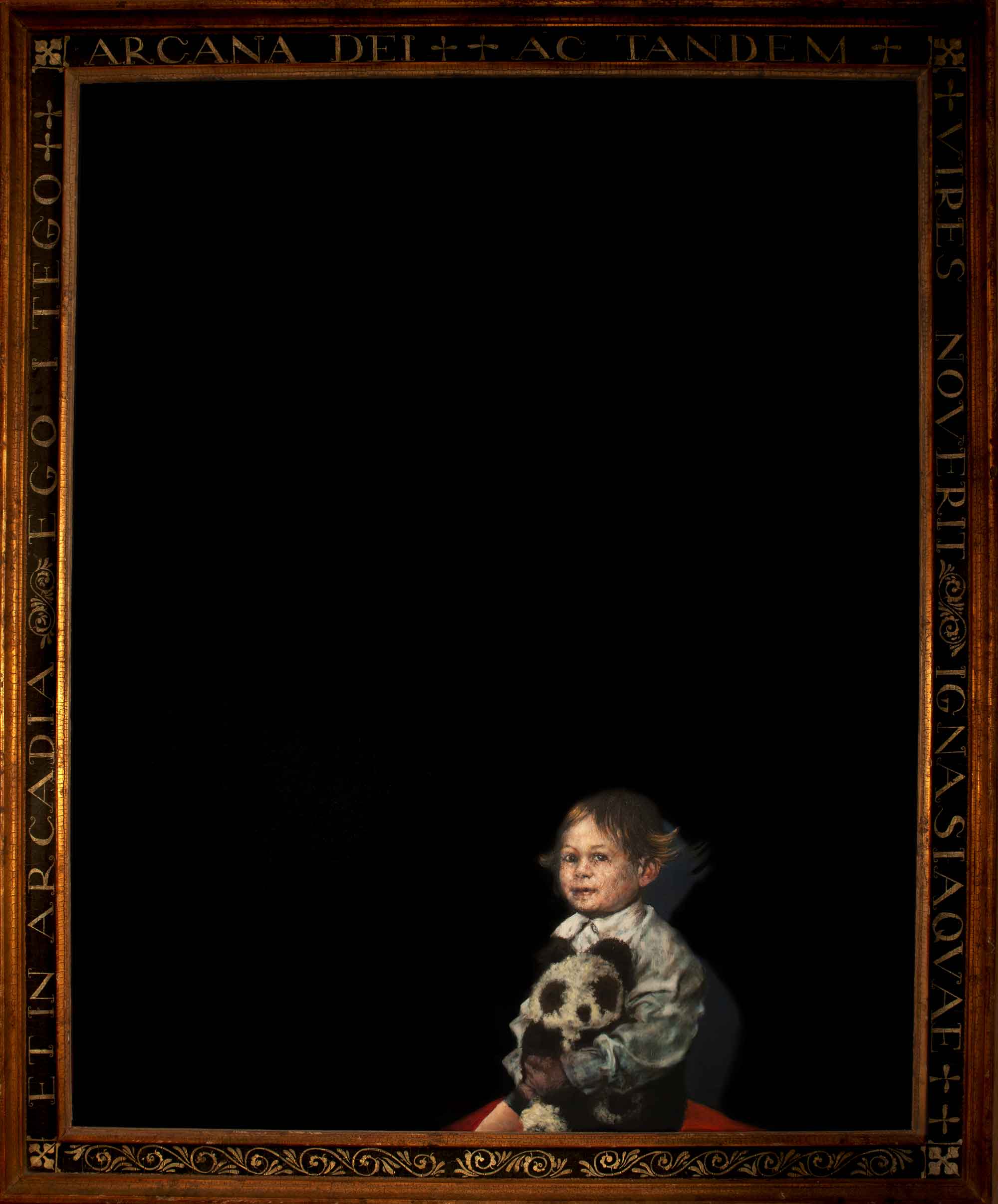
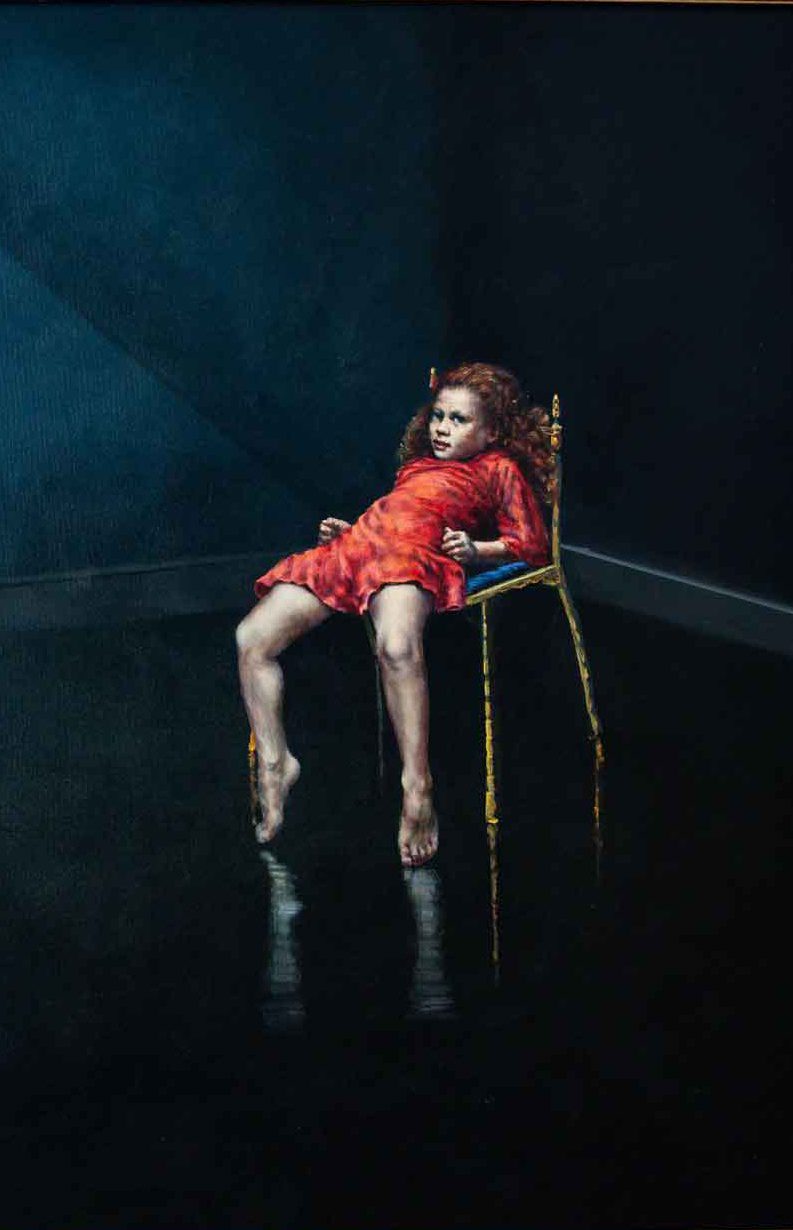
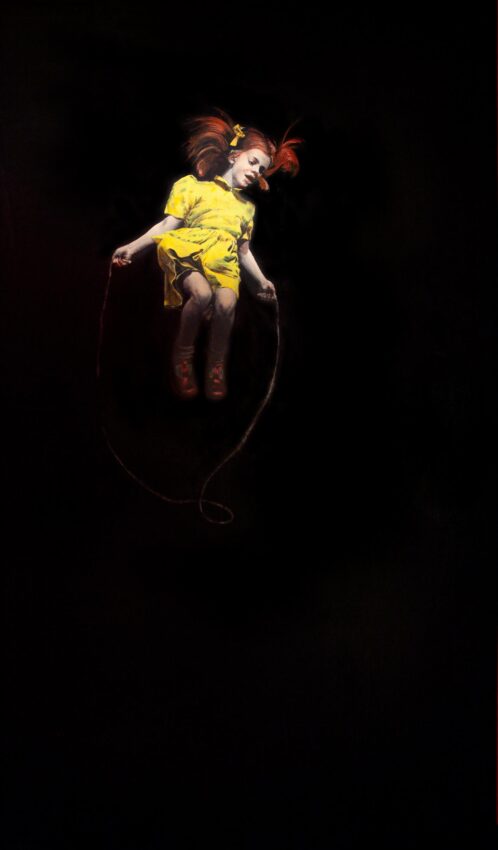
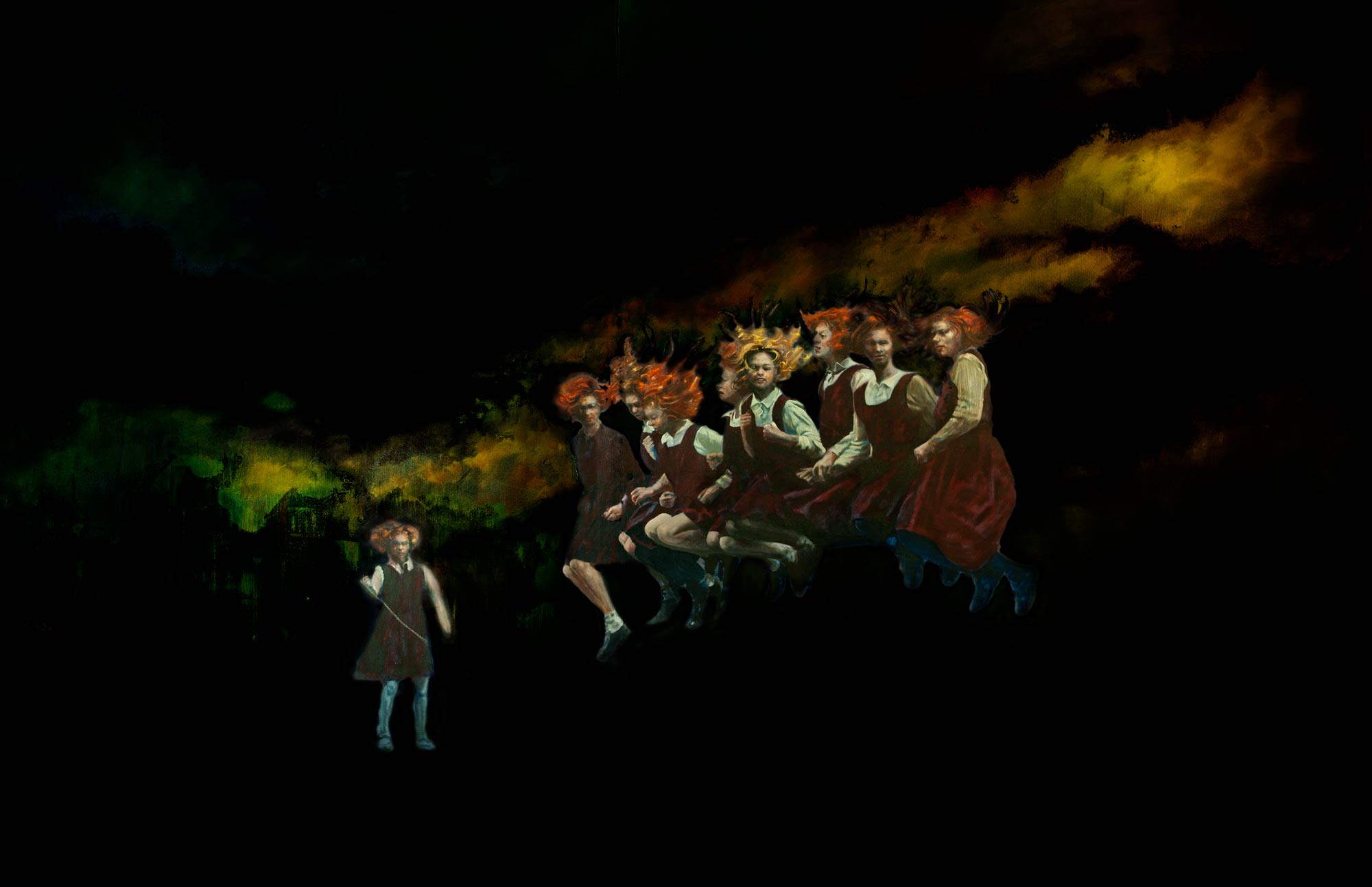
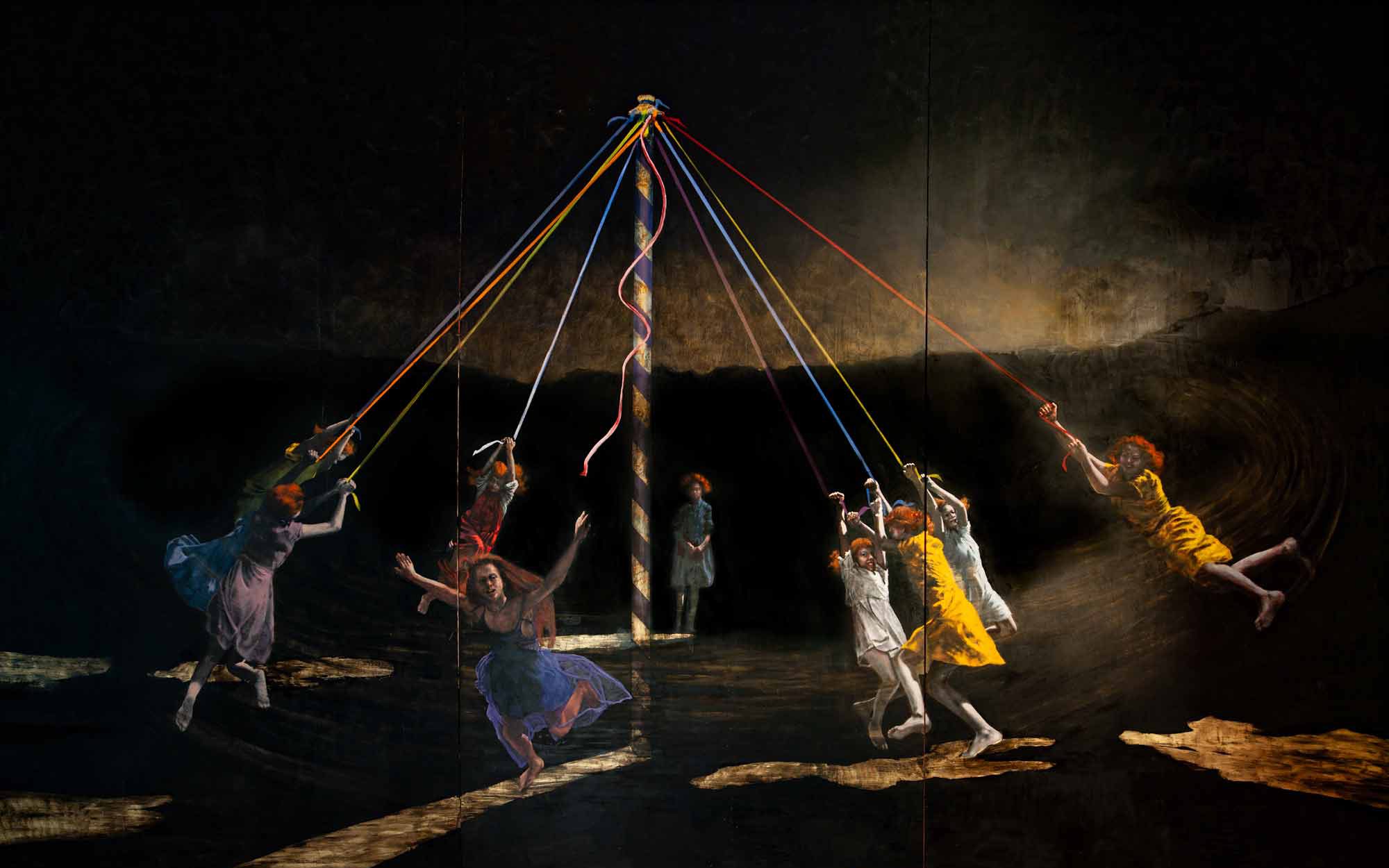
Keene’s figures do not depict migration literally. Instead, they occupy a psychological terrain shaped by it. The black ground operates as both void and origin — a pre-cultural field from which identity slowly materializes. It is not decorative darkness; it is ontological space.

The figures seem to emerge rather than pose. They are not fully fixed. Their edges dissolve. Their presence is provisional. This instability mirrors the condition of cultural negotiation: Who am I when removed from inherited ground? What remains when lineage is severed from place?

Importantly, these works resist nostalgia. They do not idealize the past. Instead, they examine the mechanics of formation itself — how identity is assembled from memory, influence, discipline, rupture, and reinvention.

In an era of border crossings and fractured belonging, The Black Paintings suggest that identity is neither abandoned nor preserved intact — it is re-formed.

Darkness, here, is not erasure.

It is the space in which something new becomes possible.

REQUEST MORE INFORMATION ABOUT THE PAINTINGS

    CONTACT

    KEENE . STUDIO

    CALIFORNIA | TEXAS | OXFORDSHIRE

    Top

    KEENE . STUDIO

    Held across time, through movement.